

News
-
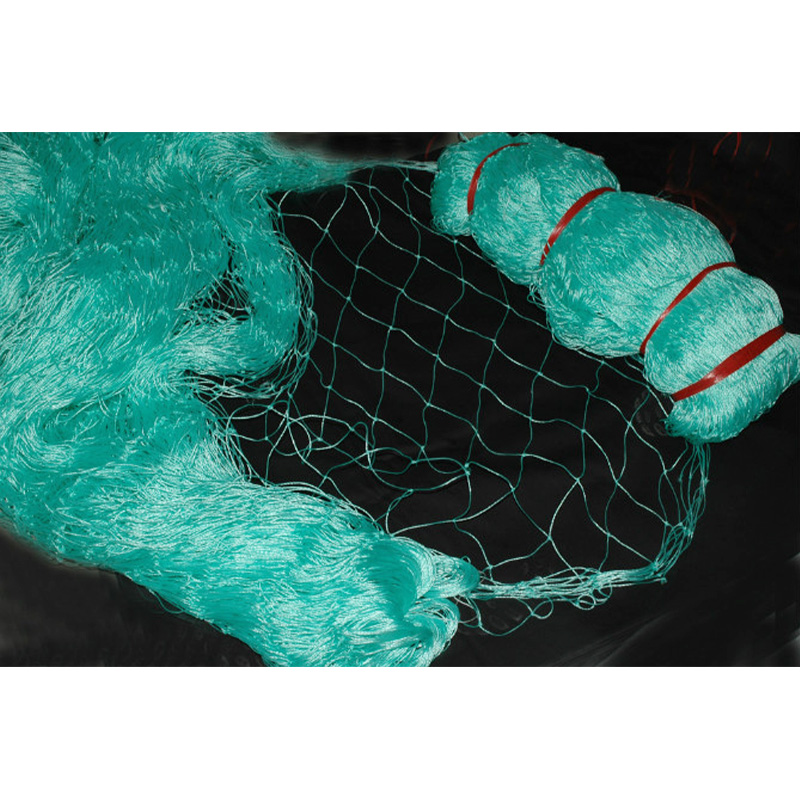
What impact do different colors of polyethylene fishing nets have on fishing results and marine ecology?
Developing environmentally friendly dyes or promoting primary polyethylene fishing nets have become important directions for reducing ecological risks.
Learn More2026-03-02 -
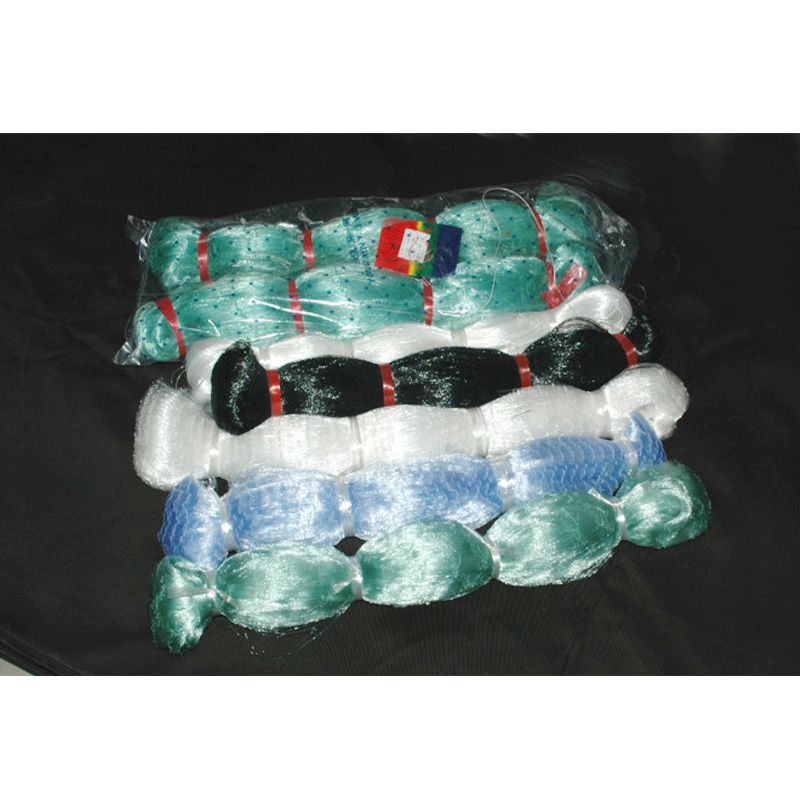
What are the limitations on the flexibility of nylon monofilament fishing nets in low-temperature environments?
The flexibility of nylon monofilament fishing nets in low-temperature environments is a key indicator of their adaptability to operations in cold waters.
Learn More2026-02-16 -
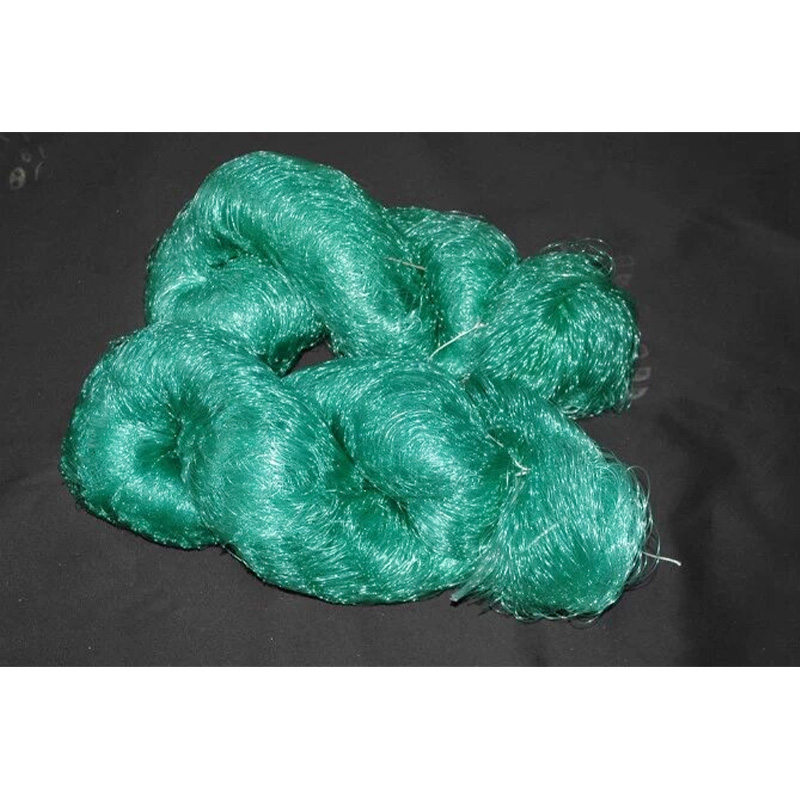
How does polyethylene fishing net excel in both fishing efficiency and ease of operation?
Polyethylene fishing nets, with their unique material advantages and scientific structural design, significantly outperform traditional nylon or polyester fishing nets in both fishing efficiency and ease of operation, making them an ideal choice for profe
Learn More2026-02-02 -
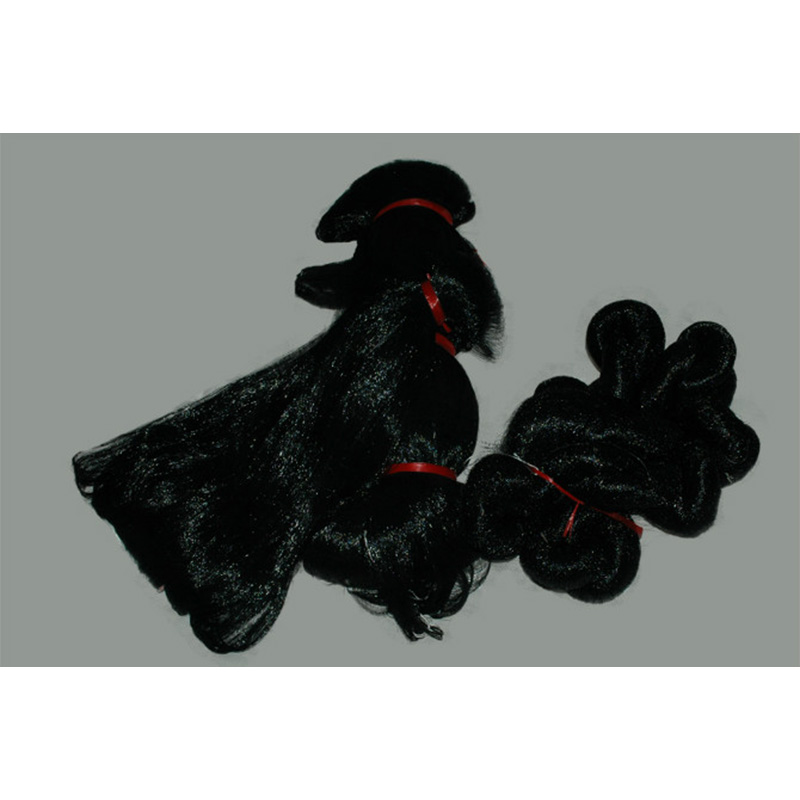
How can agricultural bird protection nets effectively protect fruit without harming birds?
Traditional bird-repelling methods, such as firecrackers, reflective strips, or chemical agents, either disturb the ecosystem, have short-lived effects, or may even cause indirect harm to birds.
Learn More2026-01-19 -
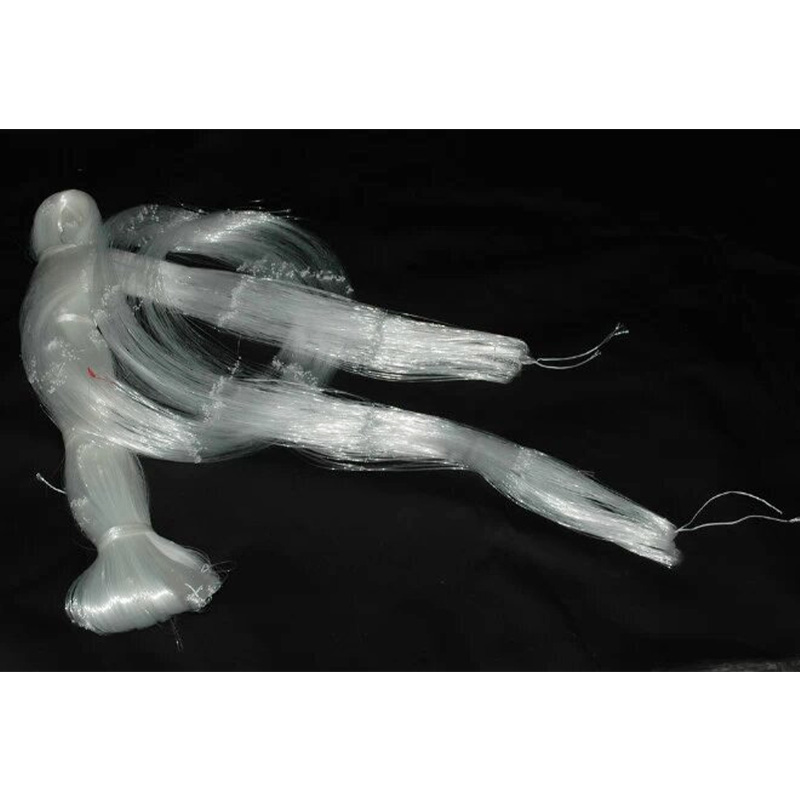
How can large mesh fishing nets improve selectivity while reducing the accidental capture of juvenile fish?
Large mesh fishing nets, as a fishing tool designed based on eco-friendly principles, are effectively protecting juvenile fish resources while ensuring fishermen's economic benefits through their physical screening mechanism, becoming a key technological
Learn More2026-01-05 -
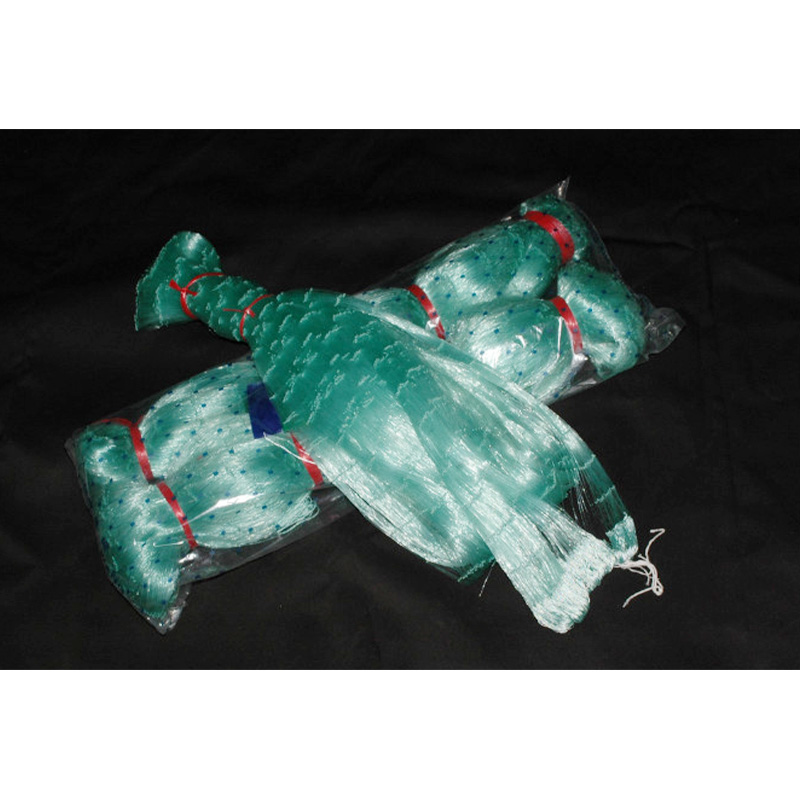
What are the advantages of nylon monofilament hairtail net in reducing water resistance and improving concealment?
Nylon monofilament hairtail nets, through the deep integration of materials science and fisheries engineering, transform "drag reduction" and "stealth" into tangible fishing advantages.
Learn More2025-12-22